
PVD & DLC coating
A few micrometres. A decisive difference.
Hard, strongly adherent PVD and DLC coatings protect tools and components from wear. We match the coating system to the material, geometry and application.
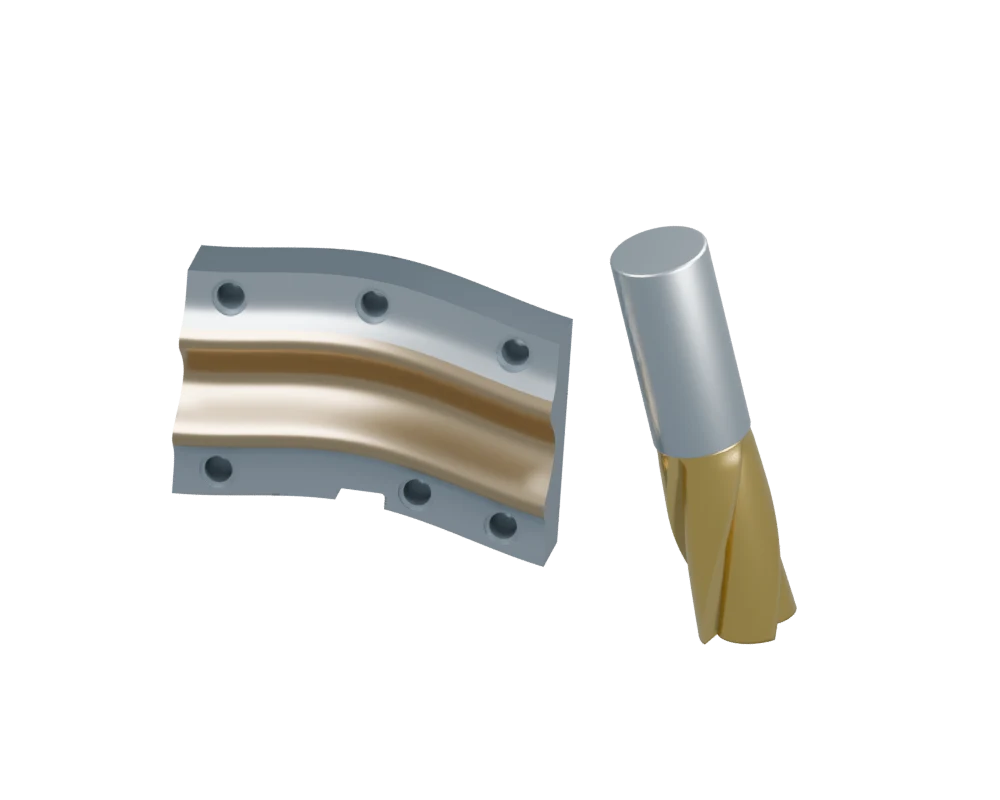
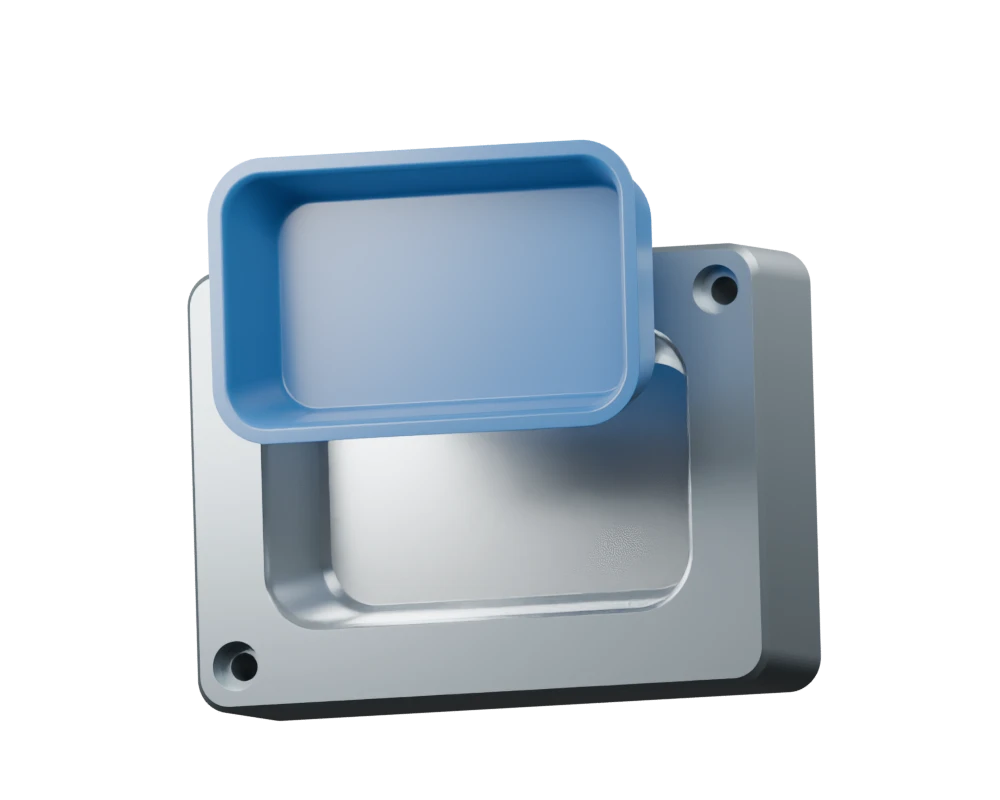
Thin coating. Protection in service.
A firmly bonded hard coating grows on the prepared surface in a vacuum. It protects loaded functional surfaces against wear. Depending on the coating system, friction and material adhesion can also be reduced.
View technical detailsProcesses and coating selection.
In the arc process, an electric arc evaporates high-purity metals such as titanium, chromium or aluminium and ionises them at the same time. The resulting metal-ion plasma reacts in high vacuum with reactive gases such as nitrogen or hydrocarbons. This forms a thin, strongly adherent hard coating on the substrate. DLC and ta-C coatings extend the range to low friction and coating temperatures from 120 °C. The geometry is preserved, while the surface is deliberately modified.
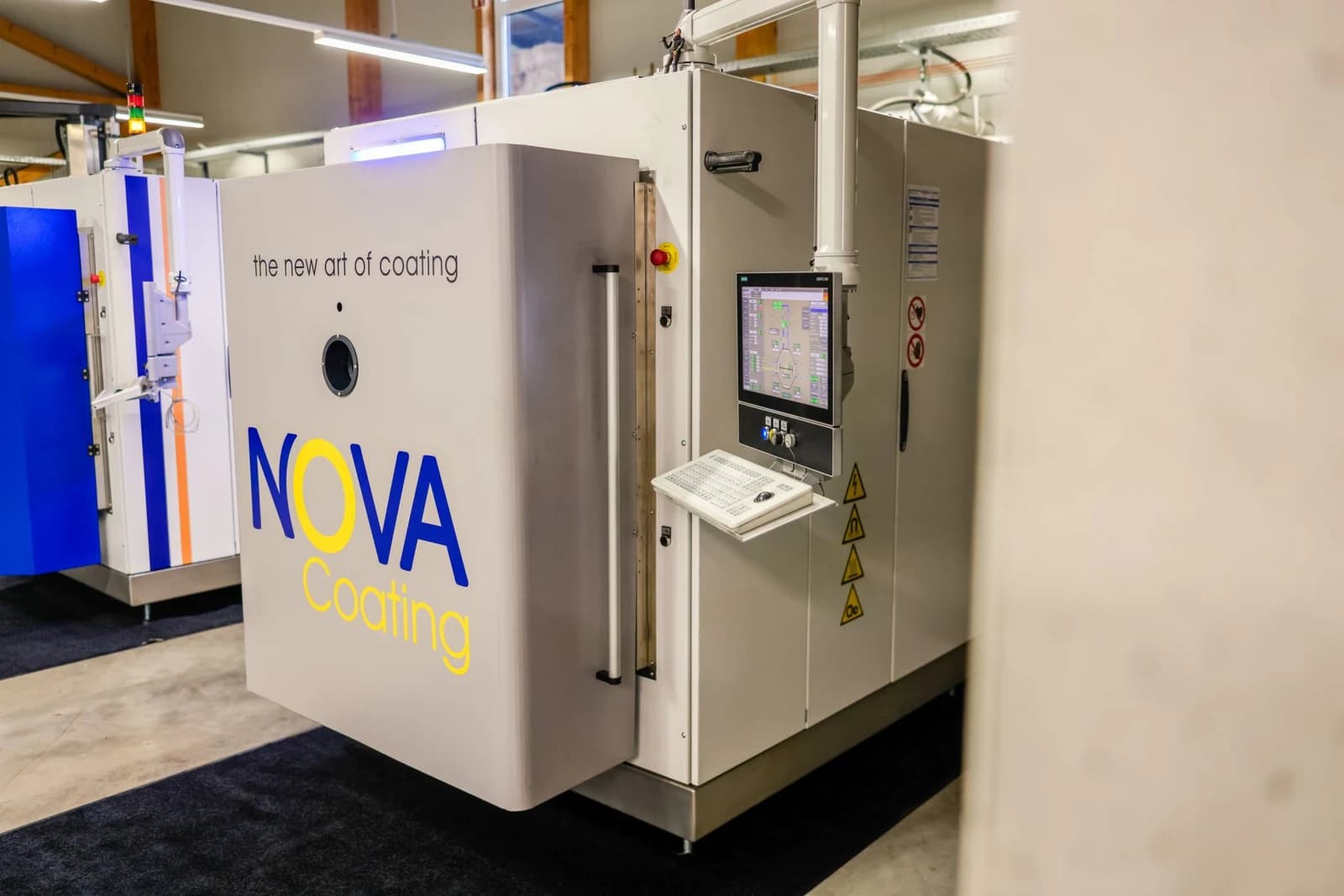
- Arc-PVD in high vacuum using systems designed and built in-house by NOVA Vacora
- Duplex PVD – our PLUS coatings: plasma nitriding and coating in one concept
- Preparation, coating and surface finishing from one source
Coating selection for stamping and forming
Explore coating systems and compare technical specifications.
PLUS / Duplex
PLUS is used for stamping, forming and die casting. Through-hardened tool steels with a tempering temperature above 500 °C are required.
Additional services.
For plastics applications: standalone surface hardening or pretreatment for six compatible PVD coatings.
Analysis & tool optimisation
Premature failure can have many causes. Together with you, we analyse the tool and operating conditions and involve specialist testing laboratories when needed.
Tool optimization details
- Material selection and heat treatment
- Microstructure and surface hardening
- Surface finishing and coating selection
- Collaboration with experienced testing laboratories
An affected tool, details of the material being processed, process parameters and a description of the wear pattern are helpful.
THE NEXT STEP