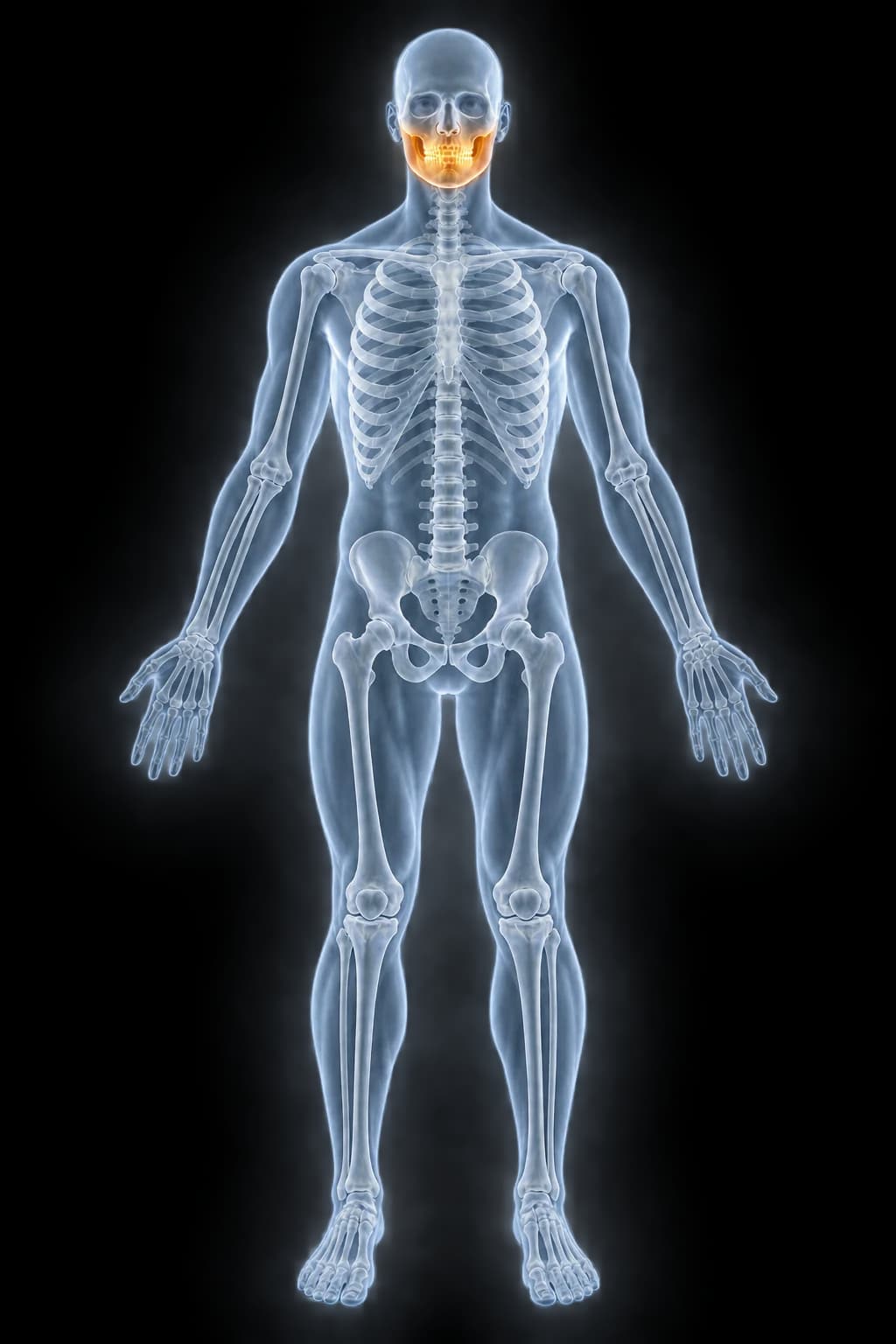
01Head & jaw
APPLICATION EXAMPLES Dentistry & dental technology
Fine tips, small cutting edges and rotating tools: dental instruments work in confined spaces. Their contact surfaces must suit the treatment and movement involved.
Typical instruments
Probes, scalers & curettes
Fine working tips and surfaces for targeted contact with teeth and gums.
Dental drills & milling tools
Cutting edges exposed to wear when machining hard tooth tissue and dental materials.
Handpiece & contra-angle components
Friction and wear on moving drive components.
SURFACE REQUIREMENTSCutting-edge wear · adhesion behaviour · friction
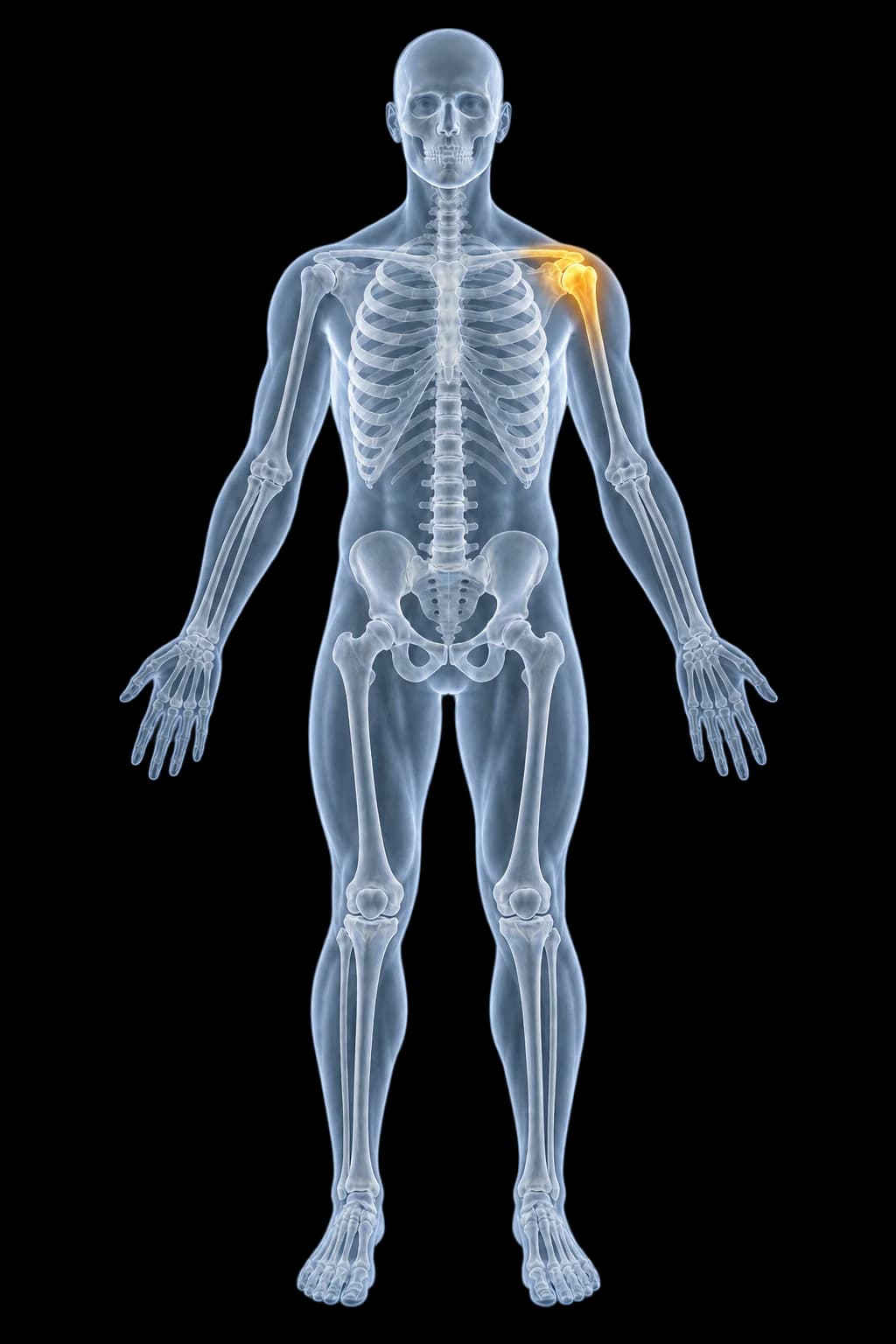
02Shoulder & joints
APPLICATION EXAMPLES Arthroscopic instruments
In arthroscopic procedures, slender instruments enter the joint through small access points. Alongside fine working tips and moving mechanisms, reflection under surgical lighting and clear instrument identification also matter.
Typical instruments
Arthroscopic graspers
Stressed jaw surfaces for holding and grasping tissue.
Scissors & punches
Small cutting edges and contact surfaces under repeated mechanical loading.
Shafts & joint mechanisms
Sliding components in confined spaces where friction behaviour matters.
SURFACE REQUIREMENTSSliding behaviour · reflection · colour coding
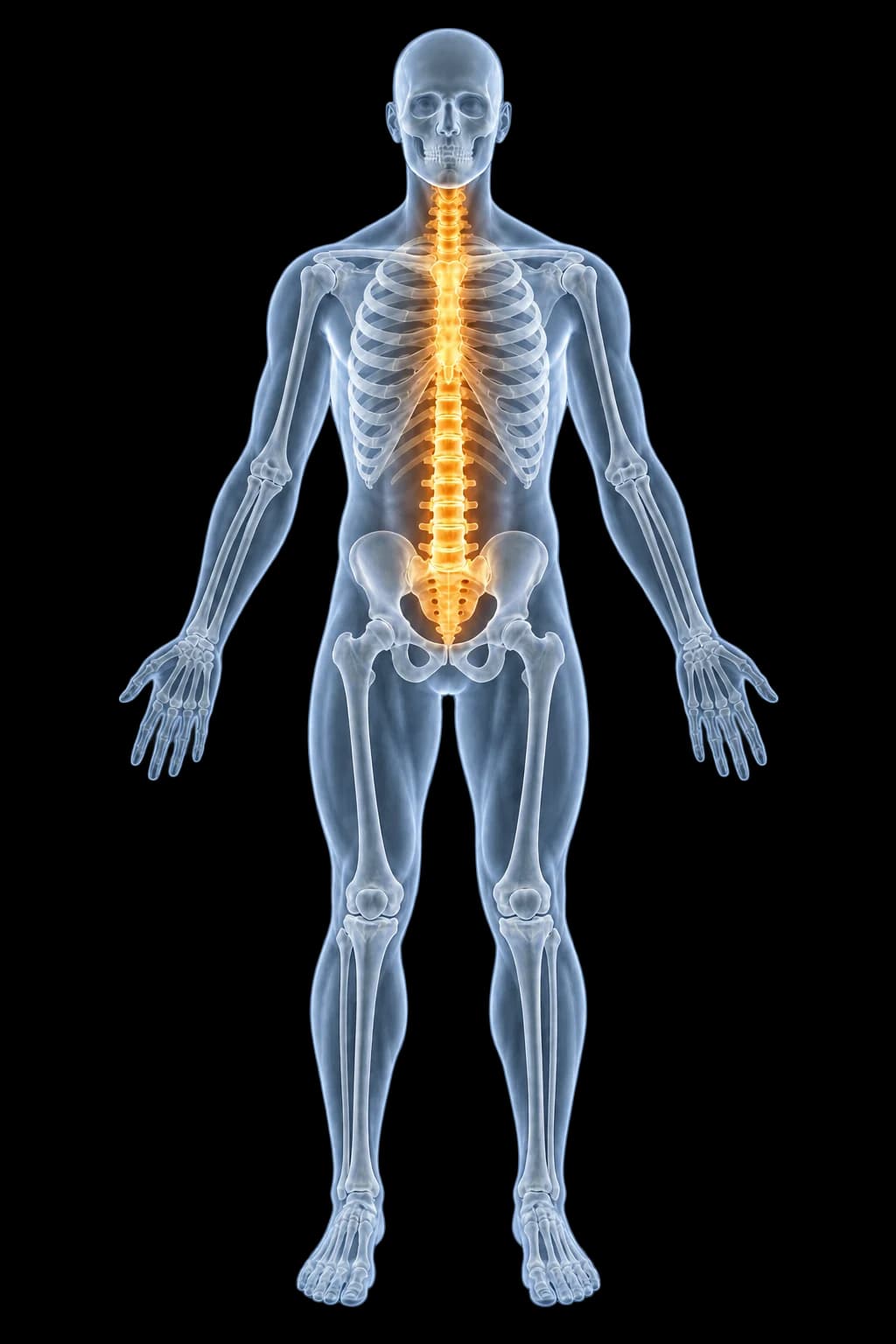
03Spine
APPLICATION EXAMPLES Spinal surgery instruments
Spinal procedures use instruments including fine bone punches and milling tools. The focus is on their cutting edges and functional surfaces that move against one another.
Typical instruments
Bone punches & laminectomy rongeurs
Cutting edges for removing bone, with precisely matched sliding surfaces.
Bone milling tools
Rotating working ends for targeted machining of bone structures.
Guide & sliding components
Contact points where repeated movement generates friction and wear.
SURFACE REQUIREMENTSEdge wear · friction · reflection
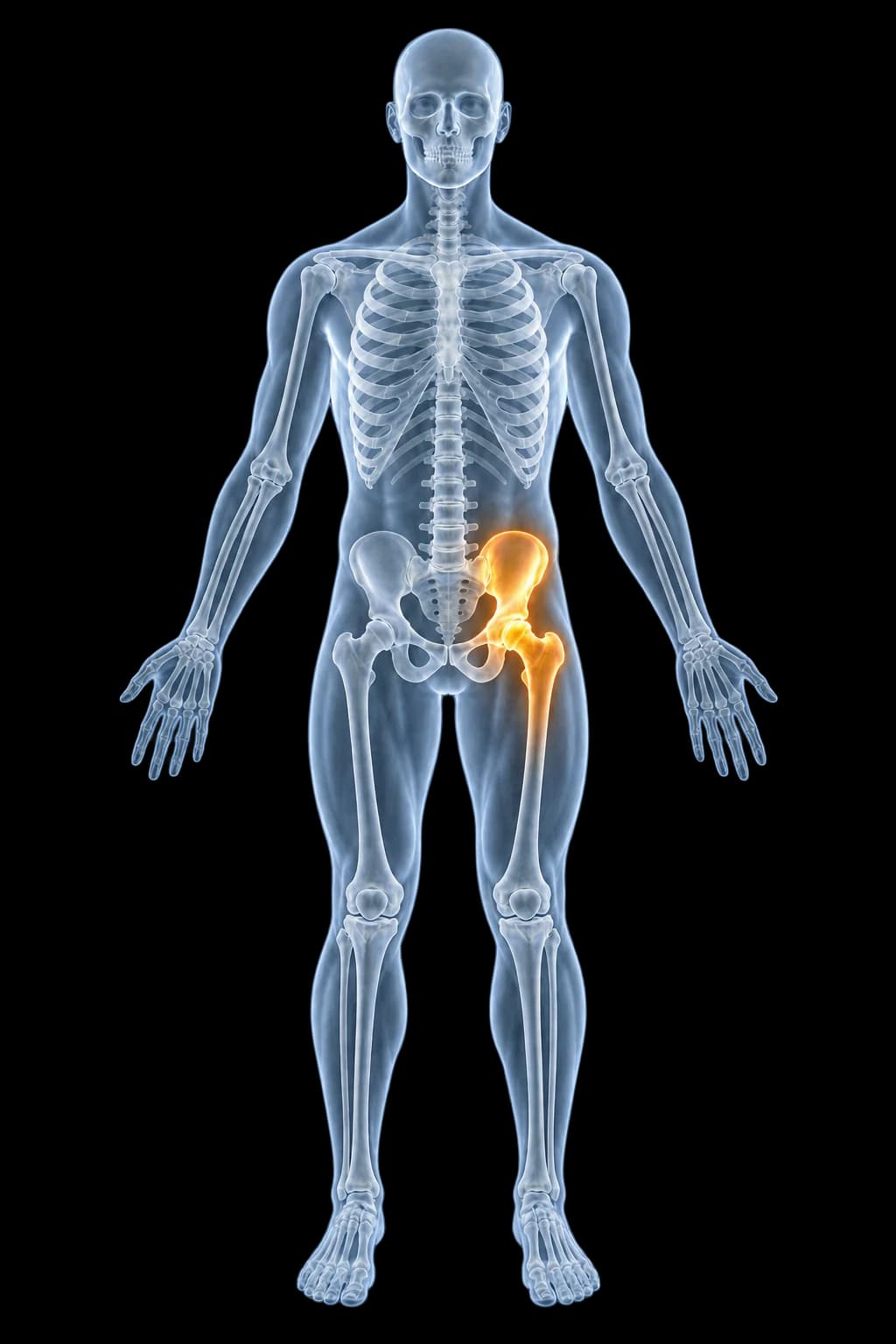
04Hip
APPLICATION EXAMPLES Tools for hip surgery
In hip surgery, reamers, cutters and rasps prepare bone for subsequent steps. The geometry and surface condition of their working surfaces help determine tool behaviour.
Typical instruments
Reamers & acetabular cutters
Cutting tools for machining bone and preparing the joint socket.
Rasps
Many individual cutting teeth with stressed edges and spaces between them.
Bone drills
Cutting edges and chip flutes where wear and adhesion must be considered.
SURFACE REQUIREMENTSCutting edges · wear loading · adhesion behaviour
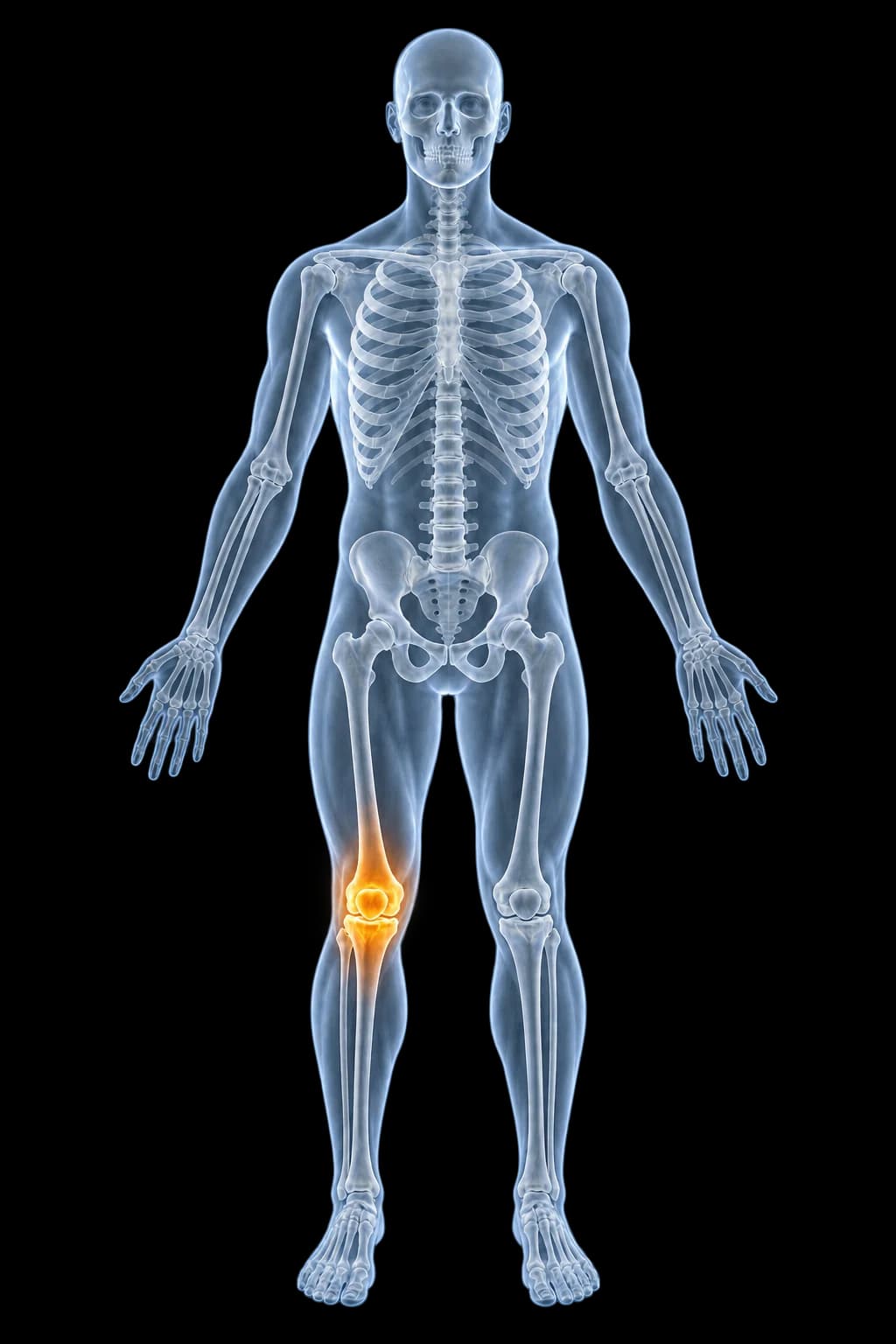
05Knee
APPLICATION EXAMPLES Instruments for knee surgery
During knee surgery, instruments guide and machine the bone. Saw blades, drills and guide elements place different demands on their contact surfaces.
Typical instruments
Oscillating bone saws
Saw teeth subjected to mechanical loading through rapid, repeated movement.
Drills & reamers
Tools for drilling and preparing bone structures.
Cutting guides
Guide surfaces in contact with the tool, where friction and abrasion occur.
SURFACE REQUIREMENTSTooth & edge wear · sliding contact · surface finish